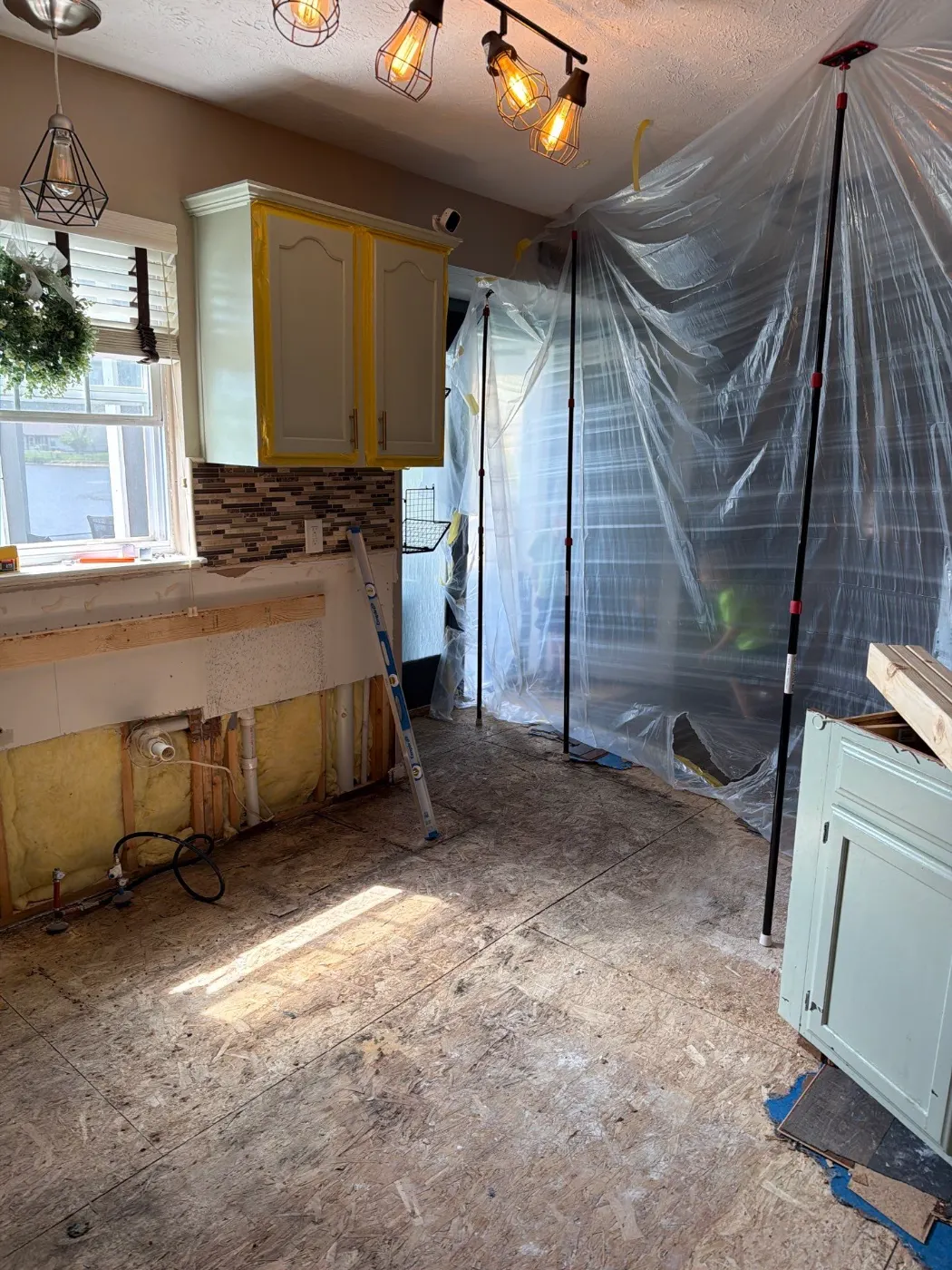
Basement Flooding in Clay City, IN
Finished basement under water in Clay City? Measured removal, enough dehumidification for a closed space and a rebuild you approve first.
Need Basement Flooding in Clay City? Clay City Water Restoration answers 24/7 with certified crews, fast on-site response, and documentation built for your insurance claim. Call (812) 515-1567 now.
- Service: Basement Flooding for Clay City homeowners
- Service area: Clay City, IN and surrounding areas
- Response time: Emergency water calls in Clay City get crews rolling, not callbacks
- Licensed and insured (License #RC21100059)
- Serving Clay City, IN since 2018
Basement Flooding Cleanup in Clay City
We handle basement flooding cleanup throughout Clay City, from standing water on the slab to drywall that's wicking it up.
Basements Here
Full basements are common in Clay City. Crawl spaces are common in parts of Clay City too.
Where the Water Comes From
Homes near the Eel River face added flood risk after heavy rain.
Our crews work all over Clay City, from Goshorn Park Neighborhood to the streets near Clay City Pottery and Clay City Junior-Senior High School. We also clean up flooded basements in Center Point, Staunton, Knightsville and Carbon.
Expert Basement Flooding for Clay City Homeowners
Frozen ground can't absorb meltwater, so a late winter thaw with rain on top sends everything toward the foundation at once. When your Clay City basement gets wet while the snow is melting, the water table is usually the cause, even when the sump pump is running fine. Clay City Water Restoration maps where the moisture went and sizes the drying to the readings.
Finished basements hide layers, such as a floating floor over foam and foam board behind the drywall. Clay City Water Restoration lifts a corner or opens a small section in your Clay City home to read what sits underneath before deciding what stays. Each layer gets its own reading, because one can read dry while the next is still wet.
Water from outside leaves silt on the slab, and silt holds moisture against the floor long after the water is gone. Before drying starts, the crew shovels and vacuums the sediment out of your Clay City basement and cleans the surfaces that stay. Mud left behind sours quickly in a closed space, so this step comes before the dehumidifiers go in.
If you carry flood insurance as well as a homeowner policy, each one has its own rules for basement water, so check both or ask your agent. Clay City Water Restoration documents the water source in your Clay City basement the same way either way, with photos, readings and an itemized scope. You keep the record and decide with your insurance company what to file and where.
It helps to have a few facts ready when you call (812) 515-1567: your address, which rooms are wet, whether the sump pump is running and where the breaker panel is. Clay City Water Restoration takes it from there and walks you through the first visit to your Clay City home.
Signs You Need Basement Flooding Cleanup
If you notice any of these in your Clay City home, schedule a free inspection before the issue worsens.
Stair step cracks in the block wall that darken and bead moisture after days of rain
Water rising around the floor drain cover, or the drain taking laundry water slowly
Paint blistering and peeling off the lower foundation wall of your Clay City basement in sheets
Water pooled around the washer in your Clay City basement after a hose split or a standpipe overflow
Water showing up in the same corner of the Clay City basement every time the ground stays saturated
Wet window sill with a stain on the wall just below it in your Clay City basement
Water seeping under the door at the bottom of a walkout or exterior basement stairwell
A crack in the slab or the wall that stays wet when everything around it has dried
Condensation beading on cold water lines while the concrete floor stays dark and cool
Wall panels or foam board in your Clay City basement bulging outward, with water trapped behind them
How Clay City Water Restoration Handles Basement Flooding
We follow these steps in order on every Clay City job.
Moisture Mapping
Thermal imaging finds the temperature differences that mark wet material and penetrating meters confirm it with numbers. Readings get taken on drywall, framing, the bottom plate, the subfloor and the slab, and the wet area gets marked and measured room by room.
Upstairs Moisture Check
The crew closes off the stairway and reads the first floor walls above the basement of your Clay City home, along with the underside of the floor. Those readings show whether humidity moved up and keep the drying confined to the basement.
Daily Monitoring
A technician returns every 24 hours while drying runs, takes readings at the same marked spots, compares room humidity against the day before, and moves equipment as the wet area shrinks. Any change to the scope arrives with photos and a conversation.
Clearance Verification
Final readings get taken on every material that was wet and compared against the same material elsewhere in the house that the water never reached. Equipment comes out after those numbers are documented, and the containment comes down after the equipment does.
Repair Planning
With the clearance readings in hand, the crew goes through what was removed and what needs to go back. You can ask about materials that handle moisture better, and the repair scope is yours to approve before any work is scheduled.
Basement Flooding in Clay City
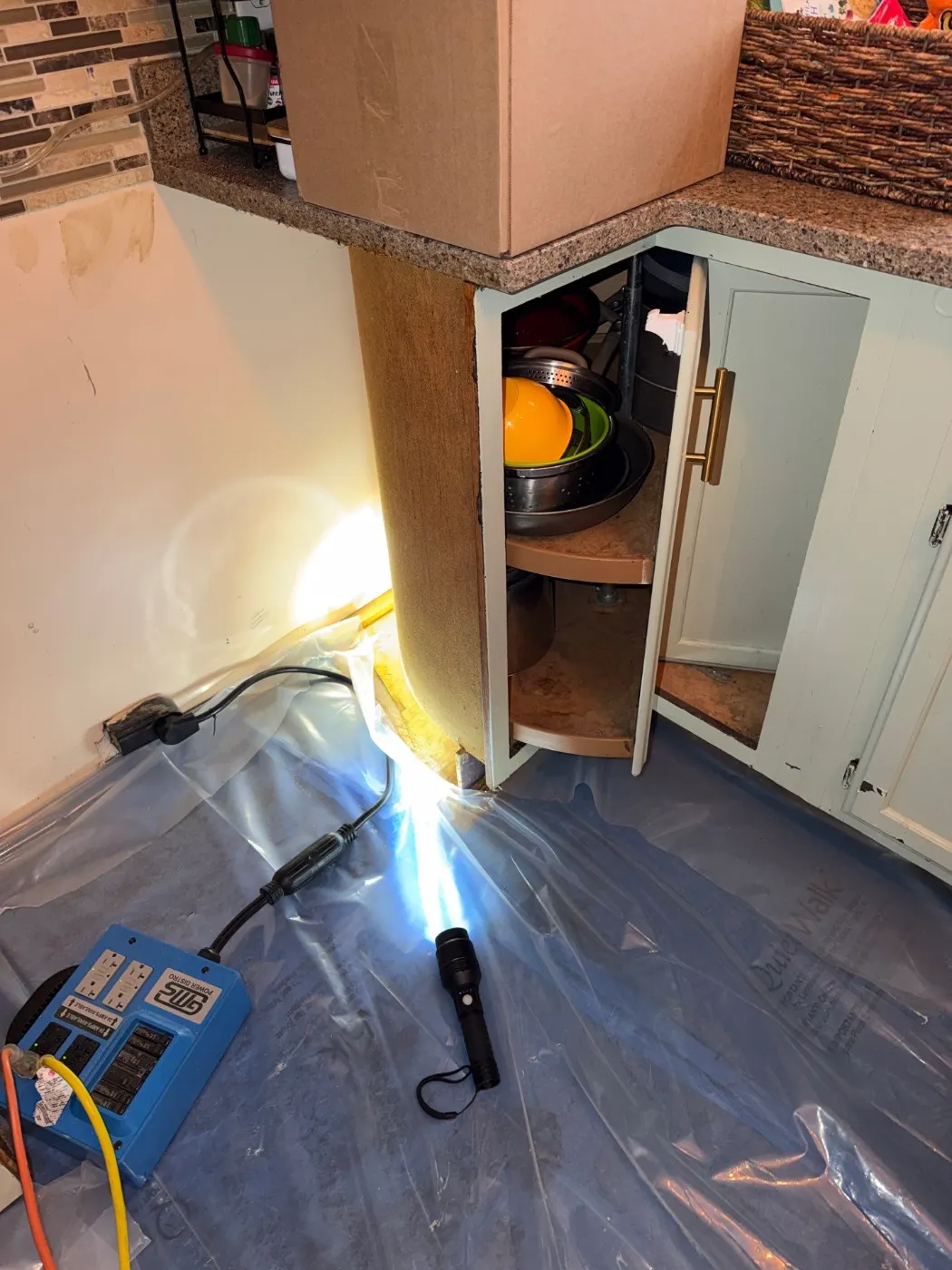
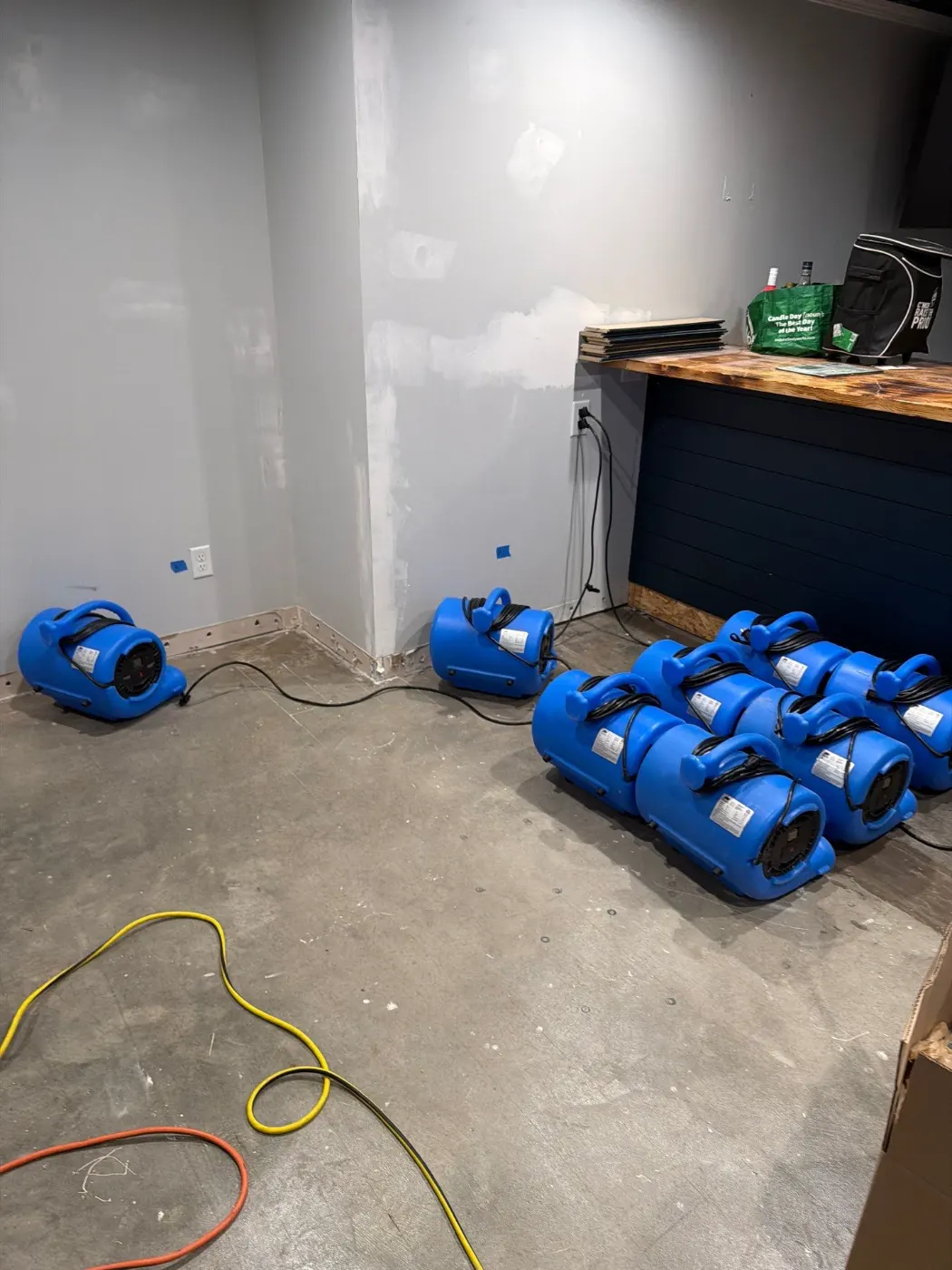
Photographs from real basement flooding jobs completed by our crew in Clay City and surrounding areas.

Basement Flooding FAQ
Questions Clay City homeowners ask us about basement flooding cleanup.
Guidance and Standards for Basement Flooding
- EPA advises drying water damaged areas and items within 24 to 48 hours to prevent mold growth. EPA: A Brief Guide to Mold, Moisture and Your Home
- Ready.gov notes that homeowners insurance policies don’t cover flooding, so check what your own policy says. Ready.gov: Floods
Clay City Neighborhoods We Serve
We take basement flooding calls in every part of Clay City. Pick your neighborhood for local details.
Other Restoration Services in Clay City
Clay City Water Restoration handles the full scope of restoration work. Explore our other services below.
Water Damage Restoration in Clay City
24/7 emergency response. IICRC certified water restoration from extraction to full dry out.
Learn more →Sewage Cleanup in Clay City
Category 3 biohazard cleanup. Full containment, decontamination, structural restoration.
Learn more →Storm Damage in Clay City
Storm related water emergencies. Tarping, extraction, drying, and full restoration.
Learn more →Request Basement Flooding Cleanup
Reach Us Directly
Our team is available 24/7 for emergencies and ready to schedule inspections during business hours.
Need Immediate Help?
For active water or mold emergencies, call us directly. We are available 24/7.