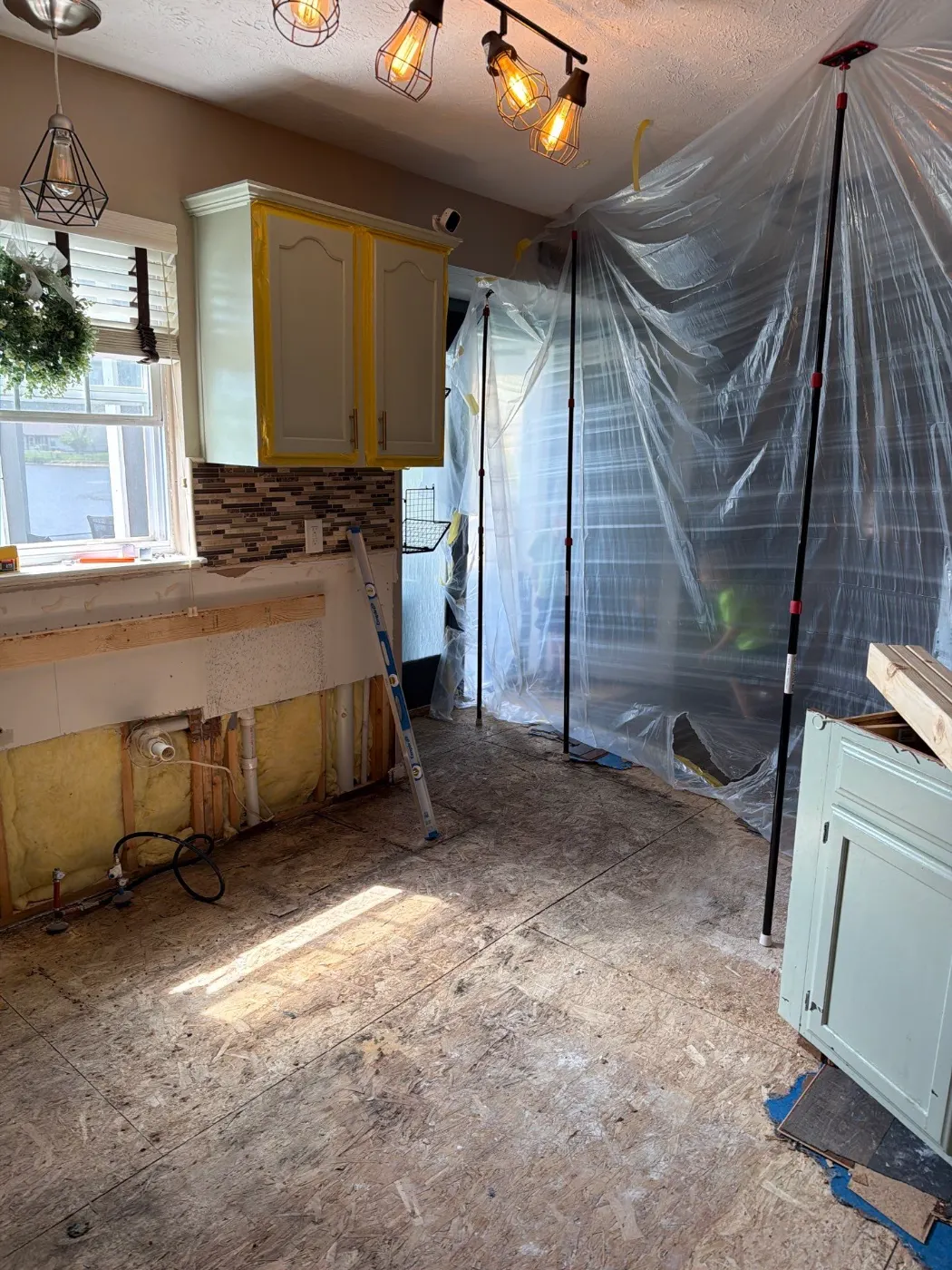
Commercial Storm Damage in Clay City, IN
When a curtain wall or rooftop unit curb lets storm water in, Clay City Water Restoration dries what it leaves behind in Clay City.
Clay City Water Restoration handles Commercial Storm Damage for Clay City, IN homeowners: emergency dispatch around the clock, IICRC certified technicians, and insurance coordination on approved claims. Call (812) 515-1567.
- Service: Commercial Storm Damage for Clay City homeowners
- Service area: Clay City, IN and surrounding areas
- Response time: Fast local response for Clay City; live dispatch every hour of the year
- Licensed and insured (License #RC21100059)
- Serving Clay City, IN since 2018
Commercial Storm Damage Cleanup in Clay City
We'll secure and dry commercial buildings in Clay City after a storm opens the roof or floods a lower level.
Storms Here
The Eel River has a flood history that nearby sites should plan around. Spring and summer are severe thunderstorm season here. NWS Indianapolis posts summaries of past storms, which helps when your carrier asks for a date.
We respond to storm calls from businesses anywhere in Clay City, including those around the Main Street business district. We also handle commercial storm damage in Center Point, Staunton, Knightsville and Carbon.
Commercial Storm Damage for Clay City Businesses
The leak shows up at the same interior wall every time it rains hard, and this time it didn't stop when the storm did. Parapet coping joints and counterflashing details fail quietly, then dump water into the wall cavity behind the finish. Clay City Water Restoration opens the assembly where the meters justify it at your Clay City, IN building, dries the cavity, and documents what the water did on its way down.
A thermal camera points the crew toward cooler surfaces that may be wet, and a moisture meter confirms which ones are. Scope lines come from meter readings and from what the crew sees through open inspection holes. The camera images are kept too, because they show the outline of the wet area on the day your Clay City floor plan was marked up.
Each day of Clay City Water Restoration drying starts with readings. Temperature and relative humidity inside the chamber, humidity in and out of the dehumidifiers, and moisture content in the materials being dried all get logged against an unaffected baseline elsewhere in the building. Equipment moves based on what the numbers show, and the job ends when the affected materials match that baseline.
If your policy carries business interruption or extra expense coverage, the drying schedule becomes part of that calculation. Clay City Water Restoration logs which areas were unusable and for how long, with dates and photos, so your accountant and your broker have something to work from. The claim belongs to you and your carrier. The team supplies the facts the file needs and answers questions in writing.
Storms hit on weekends and holidays, and the water in your Clay City building keeps spreading until someone dries it. Clay City Water Restoration takes commercial calls at any hour, so call when you find the problem and tell the team what you see.
Signs You Need Commercial Storm Damage Restoration
If you notice any of these in your Clay City building, schedule a free inspection before the issue worsens.
Standing water in a rooftop unit's drain pan, or condensate running down the duct below it
Damp, darkened flooring in a band just inside the main entrance after a windy rain
Loose or lifted metal coping on a parapet wall, with fasteners backed out of the wood blocking
A musty, earthy smell at a return air plenum or coming out of a corridor diffuser
A supply diffuser dripping water or showing rust streaks after a storm
Metal door frames rusting at the base, with the gypsum board around them swelling
Brown water stains on the ceiling around a rooftop unit's duct drop after each rain
Cardboard cartons on the bottom pallet positions that have darkened and gone soft
Silt or sediment left as a film on the receiving area floor once the water drains off
Tenants moving stock or equipment away from a wall because water keeps showing up there
How Clay City Water Restoration Handles Commercial Storm Damage
We follow these steps in order on every Clay City job.
Power and Safety Walk
Before extraction starts, the crew walks the wet areas with your building engineer and confirms which circuits serve them. Cords run through ground fault protection, and the electrician decides what can be reenergized.
Contents and Inventory Protection
Stock and equipment on wet floors get lifted onto blocking or moved to dry ground, with plastic over anything that has to stay. A photo list records what moved and where, which supports each tenant's own claim.
Moisture Mapping
Every affected space gets walked with thermal imaging and both penetrating and nonpenetrating meters. Readings are keyed to a floor plan by room or column line, so the scope covers where the water went and leaves dry areas alone.
Containment and Air Control
Barriers go up at a corridor wall or partition line so one wet bay doesn't shut a whole floor. Negative air machines with HEPA filtration run where materials are coming out, and the crew keeps equipment clear of egress paths.
Cavity Inspection Openings
Where meters or thermal imaging point to hidden water, the crew opens a small inspection hole or lifts a tile. What the probe finds inside decides how much larger the cut needs to be.
Commercial Storm Damage in Clay City
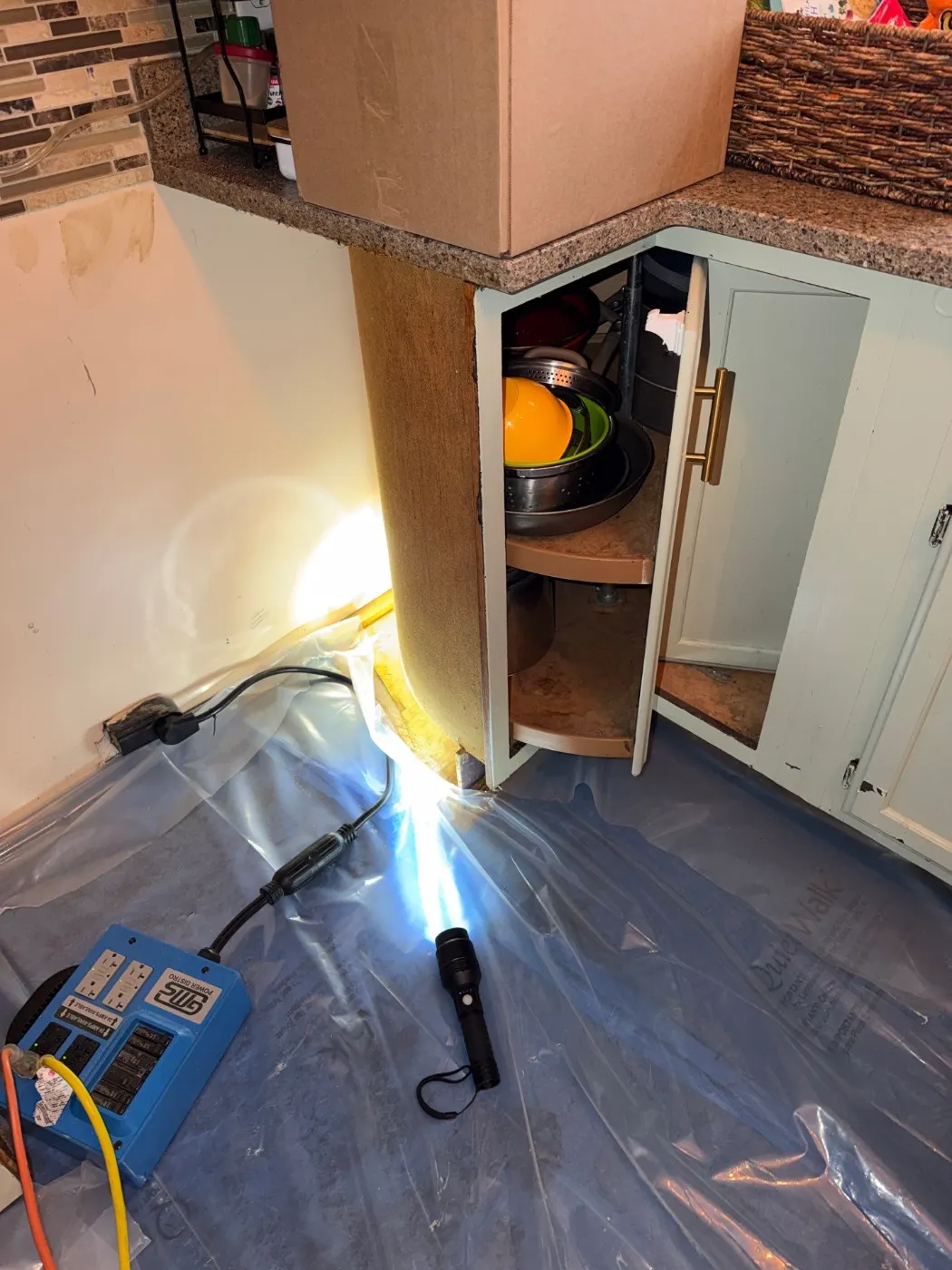
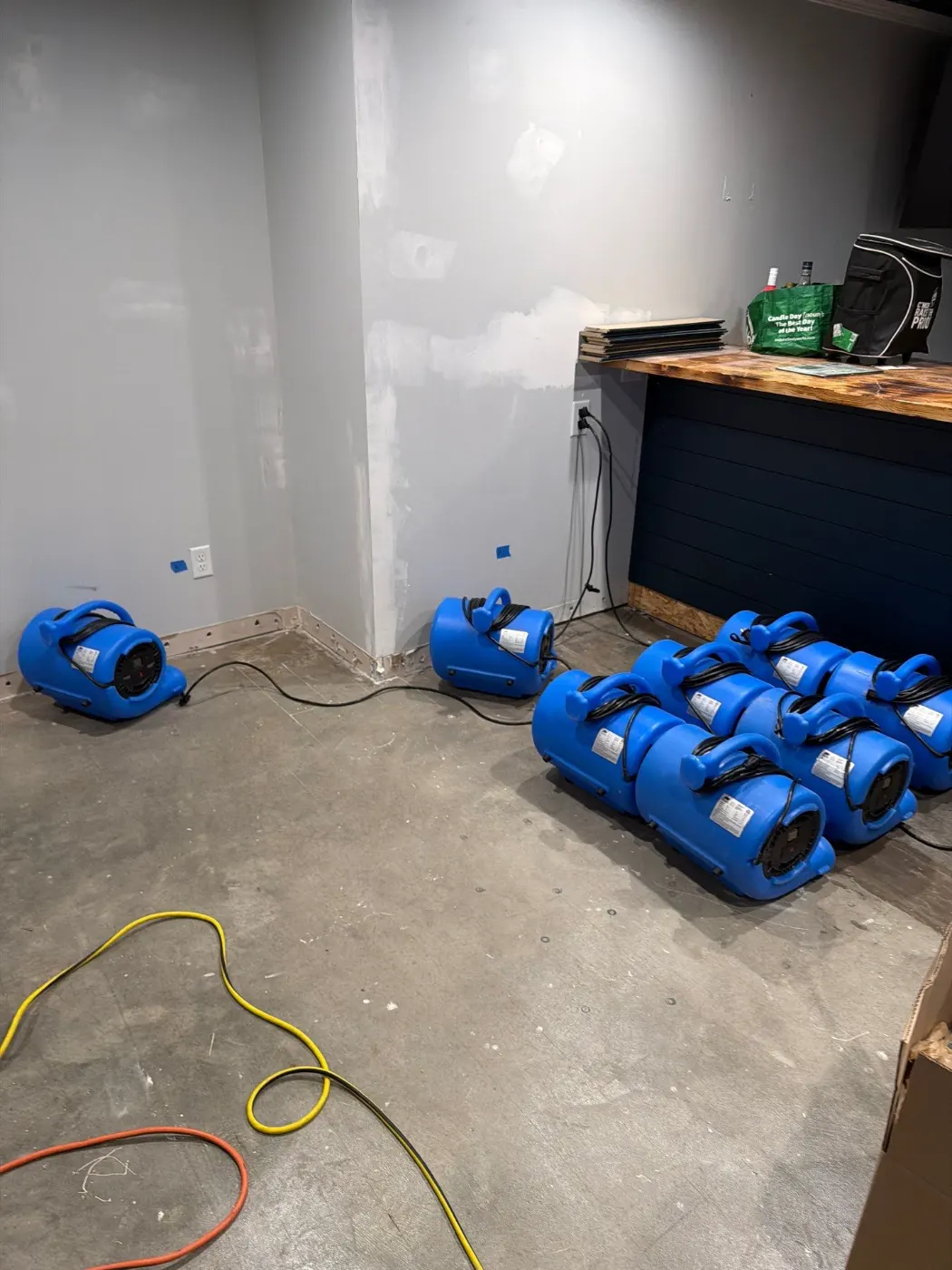
Photographs from real commercial storm damage jobs completed by our crew in Clay City and surrounding areas.

Commercial Storm Damage FAQ
Questions Clay City property managers ask us about commercial storm damage restoration.
Guidance and Standards for Commercial Storm Damage
- The National Weather Service office in Indianapolis posts summaries of recent central Indiana storm and flood events. NWS Indianapolis Event Summaries
- The ANSI/IICRC S500 is the published standard for professional water damage restoration. The current edition is the Fifth Edition, 2021. IICRC S500 Standard
Clay City Neighborhoods We Serve
We take commercial storm damage calls in every part of Clay City. Pick your neighborhood for local details.
Other Restoration Services in Clay City
Clay City Water Restoration handles the full scope of restoration work. Explore our other services below.
Water Damage Restoration in Clay City
24/7 emergency response. IICRC certified water restoration from extraction to full dry out.
Learn more →Basement Flooding in Clay City
Basement water emergencies handled fast. Extraction, drying, mold prevention.
Learn more →Sewage Cleanup in Clay City
Category 3 biohazard cleanup. Full containment, decontamination, structural restoration.
Learn more →Request Commercial Storm Damage Restoration
Reach Us Directly
Our team is available 24/7 for emergencies and ready to schedule inspections during business hours.
Need Immediate Help?
For active water or mold emergencies, call us directly. We are available 24/7.