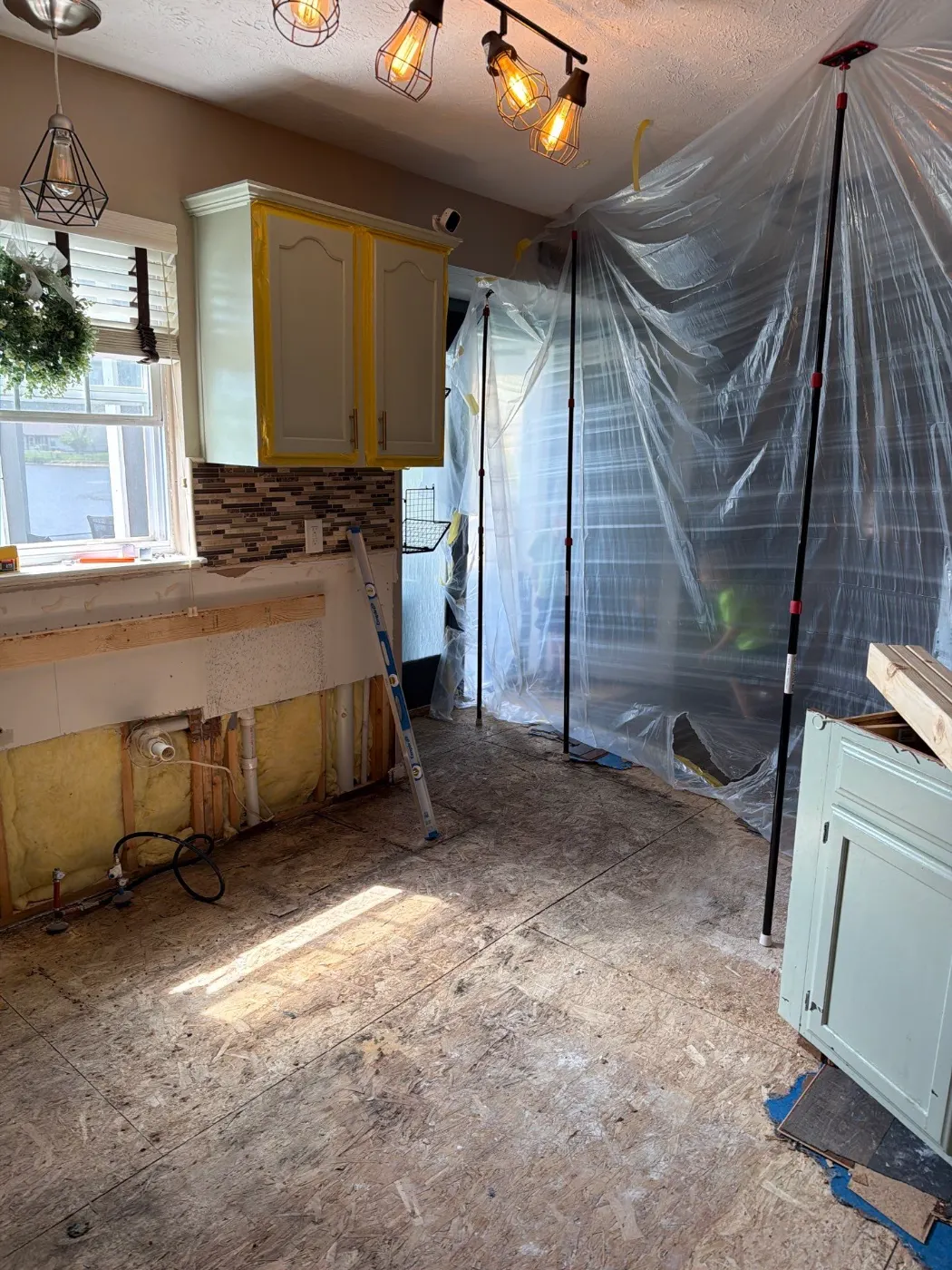
Commercial Water Restoration in Clay City, IN
Water in your Clay City building? A crew dispatches within 2 hours and coordinates with building engineering.
For Commercial Water Restoration in Clay City, Clay City Water Restoration brings the equipment, the certifications, and the paperwork: 24/7 response, written scopes, and insurance claim support. Call (812) 515-1567 for dispatch.
- Service: Commercial Water Restoration for Clay City homeowners
- Service area: Clay City, IN and surrounding areas
- Response time: Same day emergency response for Clay City; 24/7 availability
- Licensed and insured (License #RC21100059)
- Serving Clay City, IN since 2018
Commercial Water Damage Restoration in Clay City
We handle commercial water damage restoration throughout Clay City, and we'll stay on it from the first walkthrough to the final moisture readings.
Site Conditions
Properties near the Eel River carry added flood risk in heavy rain. Freeze and thaw cycles each winter can burst pipes in unheated parts of a commercial building. Your building's own drains and roof get checked on the first walkthrough with whoever manages the property.
We cover commercial properties across Clay City, including the area around the Main Street business district. We also handle commercial water losses in Center Point, Staunton, Knightsville and Carbon.
Commercial Water Restoration for Clay City Businesses
Carpet that squishes underfoot in the fellowship hall on a Monday morning leaves a congregation with a calendar problem, because Sunday's service and the weekday preschool both need rooms that aren't dry yet. Clay City Water Restoration works with church staff and trustees in Clay City to dry the sanctuary and classrooms in zones, so the rooms your schedule depends on get attention first.
Finding where the water went decides the whole scope. Clay City Water Restoration crews map with thermal imaging, moisture meters and small inspection holes, then record readings by location so the next day's numbers mean something. On a loss that crossed floors in your Clay City building, that mapping is usually what finds the areas nobody had reported wet yet.
Water that started on an upper floor gets traced downward. Crews open access where readings justify it: above ceilings on the floor below, inside riser chases, at the slab edge, in stair and shaft walls. Every opening gets photographed and logged. Drying equipment then goes on each level the meters put inside the affected area, which is routinely more floors than the original call described.
When the water came from another suite or from a vendor's work, the origin shapes how responsibility gets sorted out. Photograph the source and note who was working in the space above. Leave the failed fitting in place so the crew can document it. Clay City Water Restoration records the path of the water from that source to your Clay City space.
Clay City Water Restoration works commercial water losses across Clay City and Clay County with crews that coordinate with building engineering from the first walkthrough. Call to get the first visit started, with documentation broken out by suite that you can take to ownership and to your carrier.
Signs You Need Commercial Water Restoration
If you notice any of these in your Clay City building, schedule a free inspection before the issue worsens.
Ceiling tiles on the break room floor Monday morning with wet carpet tile beneath them
Carpet in the sanctuary or fellowship hall squishing underfoot after a weekend storm
The water meter still turning overnight while every fixture in the building is shut off
Space humidity climbing on the building management system with no thermostat change
Flush valve running over a weekend with water seeping into the hallway carpet
The tenant below reporting drips from light fixtures or air diffusers in their suite
Paint bubbling or peeling on a corridor wall just above the cove base
An interior roof drain leader gurgling or backing up during heavy rain
Carpet tile edges curling or lifting where the adhesive underneath has released
Drinking fountain supply line weeping inside a wall cavity
How Clay City Water Restoration Handles Commercial Water Restoration
We follow these steps in order on every Clay City job.
Emergency Call Intake
The person who answers asks where the water is coming from in your Clay City building and whether the source is shut off. Access details and your engineer's contact get collected, and you hear what to move and what to leave in place for photographs.
Containment and Zone Planning
Affected areas get polyed off and put under negative pressure where the water category calls for it, with corridors and egress kept clear. Zone boundaries get drawn with your management office so unaffected tenants keep working.
Selective Removal
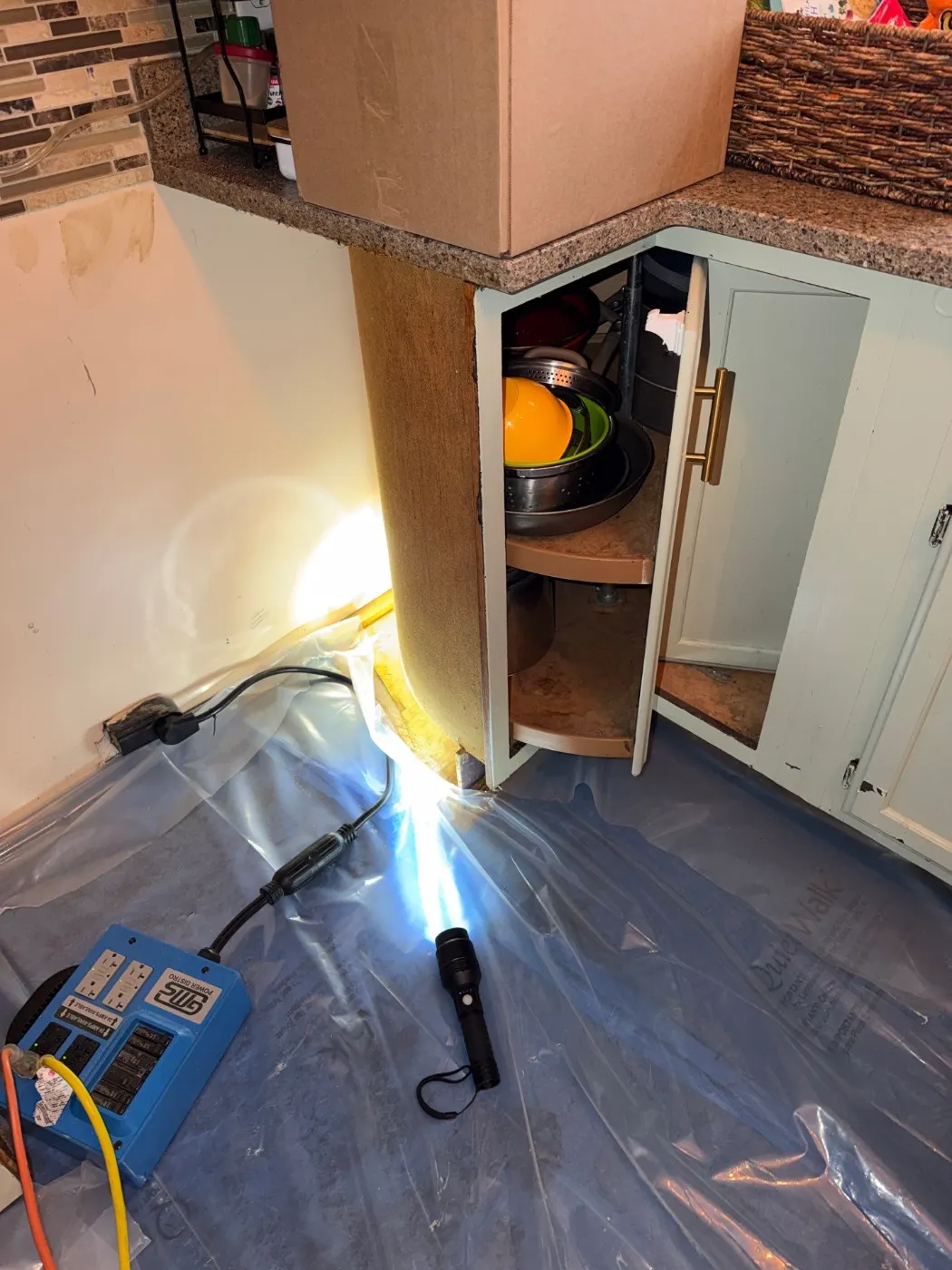
Material comes out of your Clay City building where the meters and the water category support it, and stays where it can dry in place. Each cut is photographed and logged by location, and the list is reviewed with you in writing.
Tenant Notices and Updates
Plain language notices go out to the tenants in your Clay City building saying which areas are affected and when crews will be in the space. Updates follow as the readings change, with a contact name for questions.
Clearance Verification
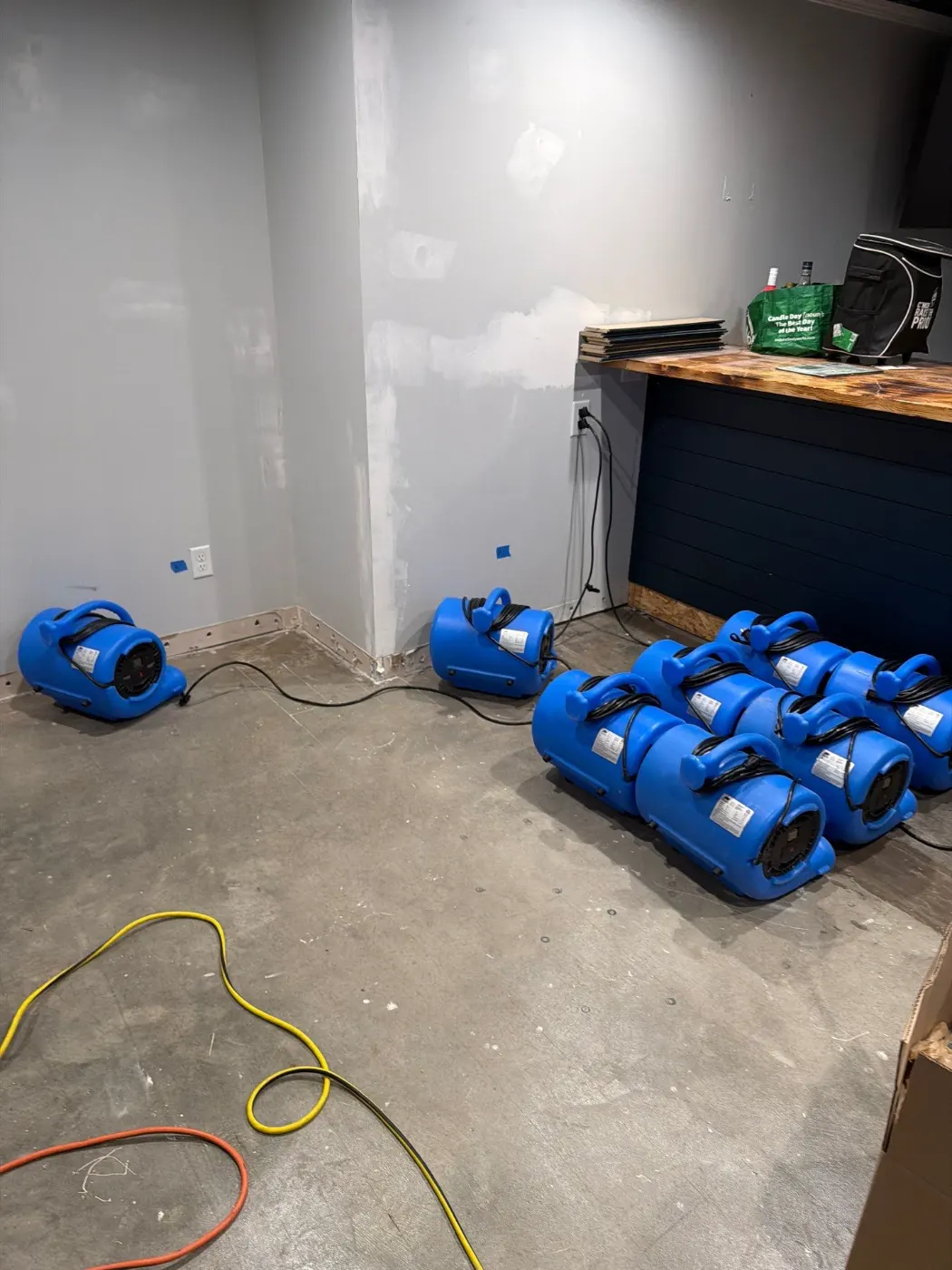
Previously wet materials get read against dry standard readings from the same materials in an unaffected part of the building. Equipment comes off the floor once those numbers are documented, and containment comes down after that.
Commercial Water Restoration in Clay City
Photographs from real commercial water restoration jobs completed by our crew in Clay City and surrounding areas.

Commercial Water Restoration FAQ
Questions Clay City property managers ask us about commercial water restoration.
Guidance and Standards for Commercial Water Restoration
- The ANSI/IICRC S500 is the published standard for professional water damage restoration. The current edition is the Fifth Edition, 2021. IICRC S500 Standard
- EPA advises drying water damaged areas and items within 24 to 48 hours to prevent mold growth. EPA: A Brief Guide to Mold, Moisture and Your Home
Clay City Neighborhoods We Serve
We take commercial water restoration calls in every part of Clay City. Pick your neighborhood for local details.
Other Restoration Services in Clay City
Clay City Water Restoration handles the full scope of restoration work. Explore our other services below.
Water Damage Restoration in Clay City
24/7 emergency response. IICRC certified water restoration from extraction to full dry out.
Learn more →Basement Flooding in Clay City
Basement water emergencies handled fast. Extraction, drying, mold prevention.
Learn more →Sewage Cleanup in Clay City
Category 3 biohazard cleanup. Full containment, decontamination, structural restoration.
Learn more →Request Commercial Water Restoration
Reach Us Directly
Our team is available 24/7 for emergencies and ready to schedule inspections during business hours.
Need Immediate Help?
For active water or mold emergencies, call us directly. We are available 24/7.