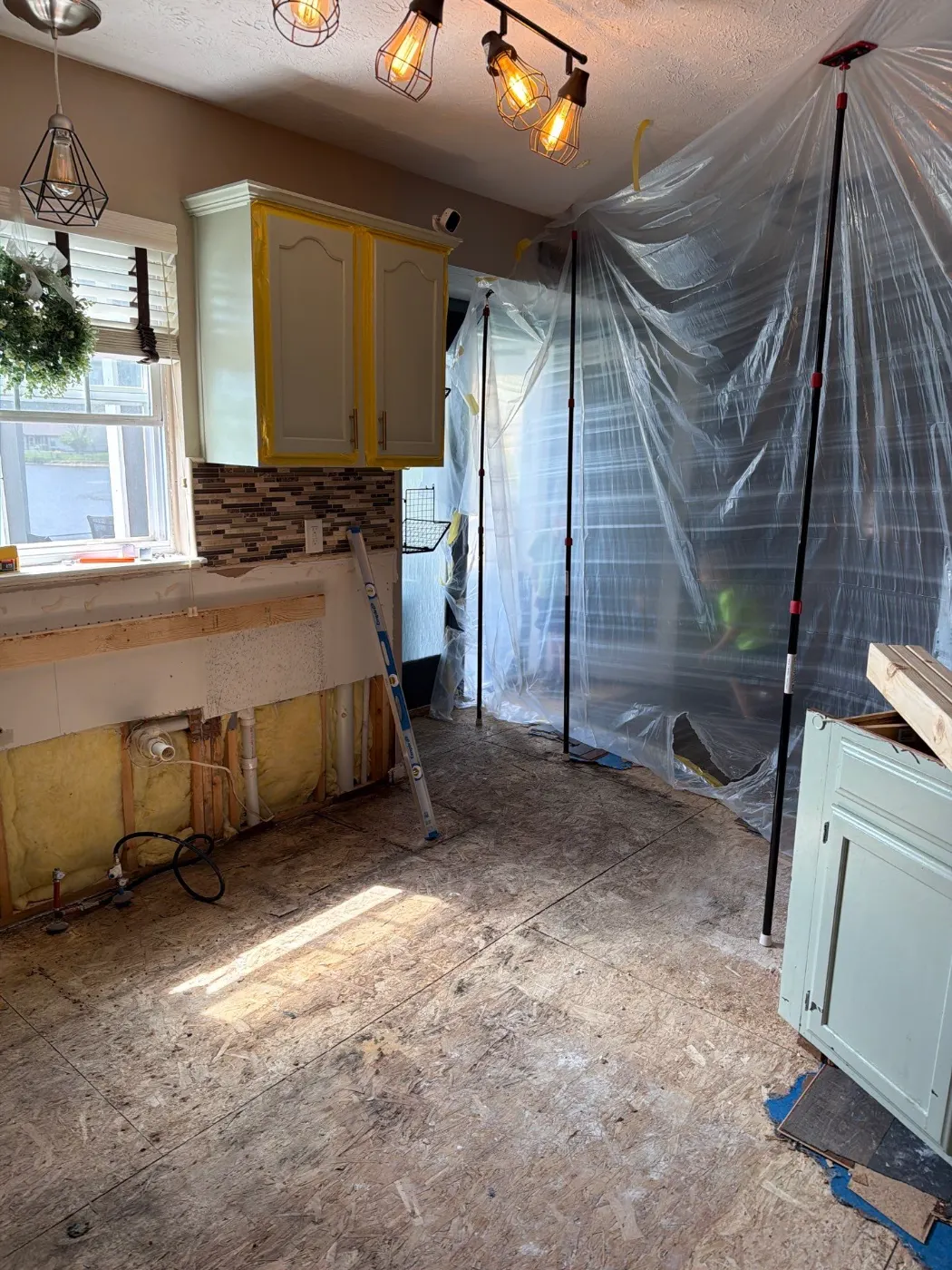
Storm Damage in Clay City, IN
Flooded basement in Clay City? The water comes out first, then the structure gets dried to documented readings.
Need Storm Damage in Clay City? Clay City Water Restoration answers 24/7 with certified crews, fast on-site response, and documentation built for your insurance claim. Call (812) 515-1567 now.
- Service: Storm Damage for Clay City homeowners
- Service area: Clay City, IN and surrounding areas
- Response time: Rapid emergency dispatch for Clay City inquiries; crews available 24/7
- Licensed and insured (License #RC21100059)
- Serving Clay City, IN since 2018
Storm Damage Cleanup in Clay City
We'll dry out your home in Clay City after storm water gets in through the roof or the basement.
Storms Here
The Eel River has a history of flooding. Severe thunderstorms come through in spring and summer. If your insurance company asks for a storm date, NWS Indianapolis keeps a list of past events.
Where Storm Water Ends Up
Homes near the Eel River can see rising water after heavy rain. With full basements common here, a big storm can bring water in from below as well as through the roof. That makes it a basement flooding job too.
After a storm we can be anywhere in Clay City, from the South Clay City / Highway 59 Corridor to the roads around Clay City Junior-Senior High School and the Doc Buell Walking Trail. We also handle storm damage in Brazil, Center Point, Staunton and Knightsville.
Expert Storm Damage for Clay City Homeowners
Wind driven rain can get in without a hole in the roof. It gets behind siding, past a window flange, or through a failed sealant joint, then runs down the inside of the wall and shows up at a baseboard two rooms from where it entered. Clay City Water Restoration traces that path on storm calls in Clay City and Clay County with thermal imaging and pin meters, and a crew is dispatched within 2 hours to open and dry the cavity it found.
On a basement job the crew watches how fast the water comes back. Clay City Water Restoration pumps the basement down in Clay City, then checks the level again after a set interval, because a fast return means water is still entering. That rate decides whether the drying equipment goes in now or the source gets dealt with first.
Some assemblies dry without coming apart. Clay City Water Restoration uses negative air cavity drying on wall and ceiling spaces, pulling conditioned air through small ports so the inside of the cavity loses moisture while the finished surface stays up. It's slower than demolition and it costs the homeowner less, so crews try it wherever the readings and the condition of the material allow for it.
Start a list of damaged belongings while the rooms are still wet. Photograph each item where it sits, then write down what the item is and roughly when you bought it. Clay City Water Restoration photographs contents that shift during the job in your Clay City home, and the photo set you keep gives you a second record to build the list from.
Call (812) 515-1567 and tell the person who answers where the water is showing and whether the power is on. Clay City Water Restoration uses your answers to plan the visit to your Clay City home, and you'll hear what to do in the meantime.
Signs You Need Storm Damage Restoration
If you notice any of these in your Clay City home, schedule a free inspection before the issue worsens.
A wet soffit or ceiling corner on a covered porch after wind pushed rain up under the eave
Hardwood boards cupping near a patio door or garage entry
Standing water around the sump pit after the power came back on
Shingles lifted, curled, or missing where you can see the roof from the ground
A sump pump that cycles every few minutes or runs continuously during a storm
A soft or discolored patch of drywall around a skylight, a chimney chase, or a bath vent
Recessed ceiling lights with water droplets around the trim after heavy rain
Stored boxes in a basement corner with damp bottom edges or water lines
Water stains running down a stairwell wall from the upper floor
Flooring cupping, lifting, or separating at the seams along an exterior wall
How Clay City Water Restoration Handles Storm Damage
We follow these steps in order on every Clay City job.
Emergency Stabilization
Tarp, shrink wrap or board up goes over the opening the storm made, photographed before and after. Stopping the ongoing intrusion is what lets the drying numbers hold. Details of the opening get passed to whoever's handling the permanent roof or siding repair.
Moisture Mapping
Thermal imaging and penetrating meters cover every room under and beside the intrusion, plus baseline readings in unaffected areas of the same house. The map shows how far water tracked through framing and insulation, and it's what decides which surfaces get opened.
Cleaning Surfaces That Stay
Framing and hard surfaces that stay get cleaned and treated with an antimicrobial once the soaked material is out. Cleaning comes before the drying equipment goes in, so the air movers aren't pushing soil around the room.
Photo Report
Entry point photos, the water path, the daily readings and the itemized scope go into a photo report you keep. The crew walks you through it, and you sign off on the scope in writing before there's any demolition.
Final Walkthrough
Once the clearance readings are documented, the equipment comes out and the technician walks the rooms with you. The removed materials and the photo file get reviewed together so you know what repairs come next.
Storm Damage in Clay City
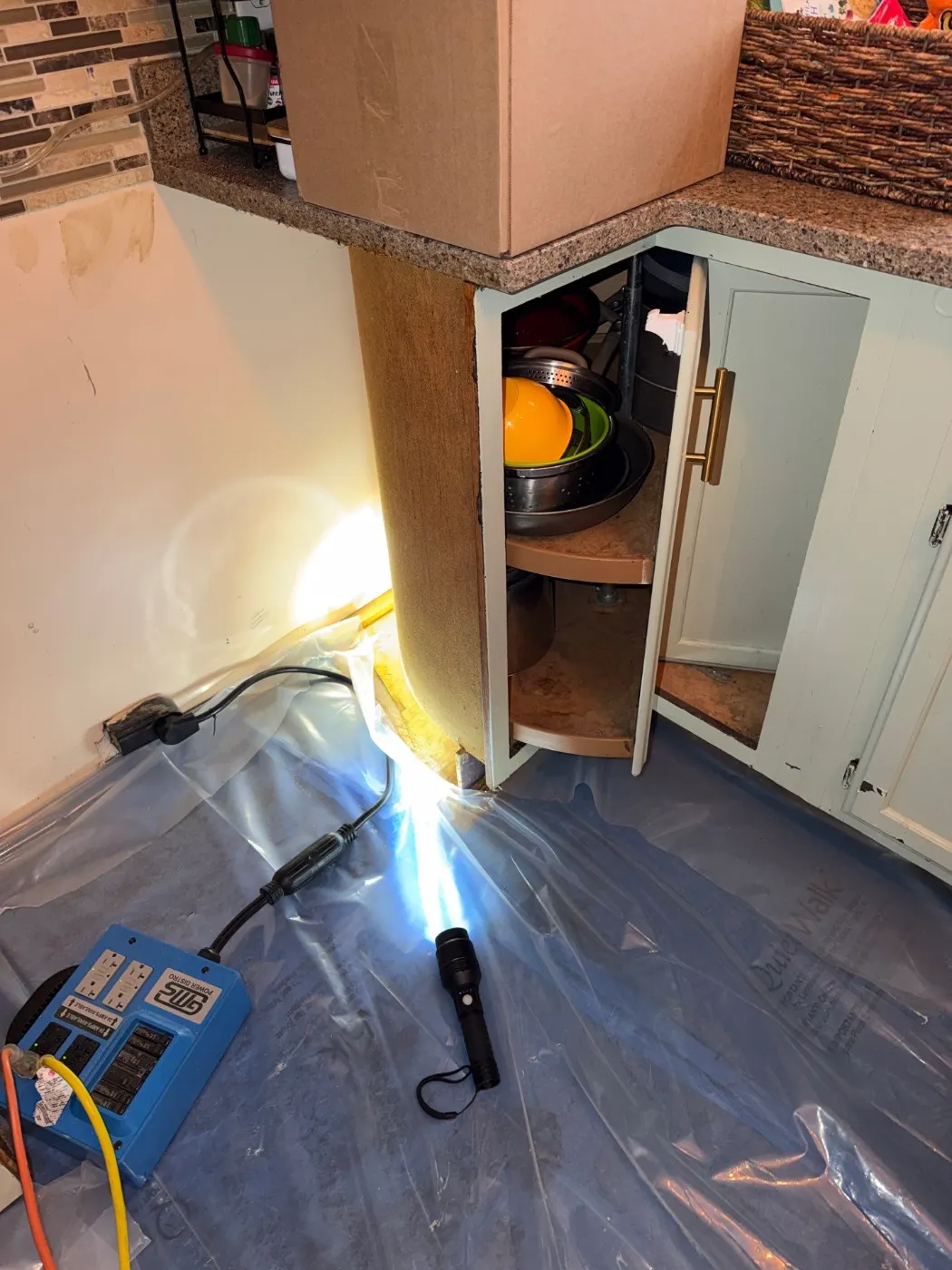
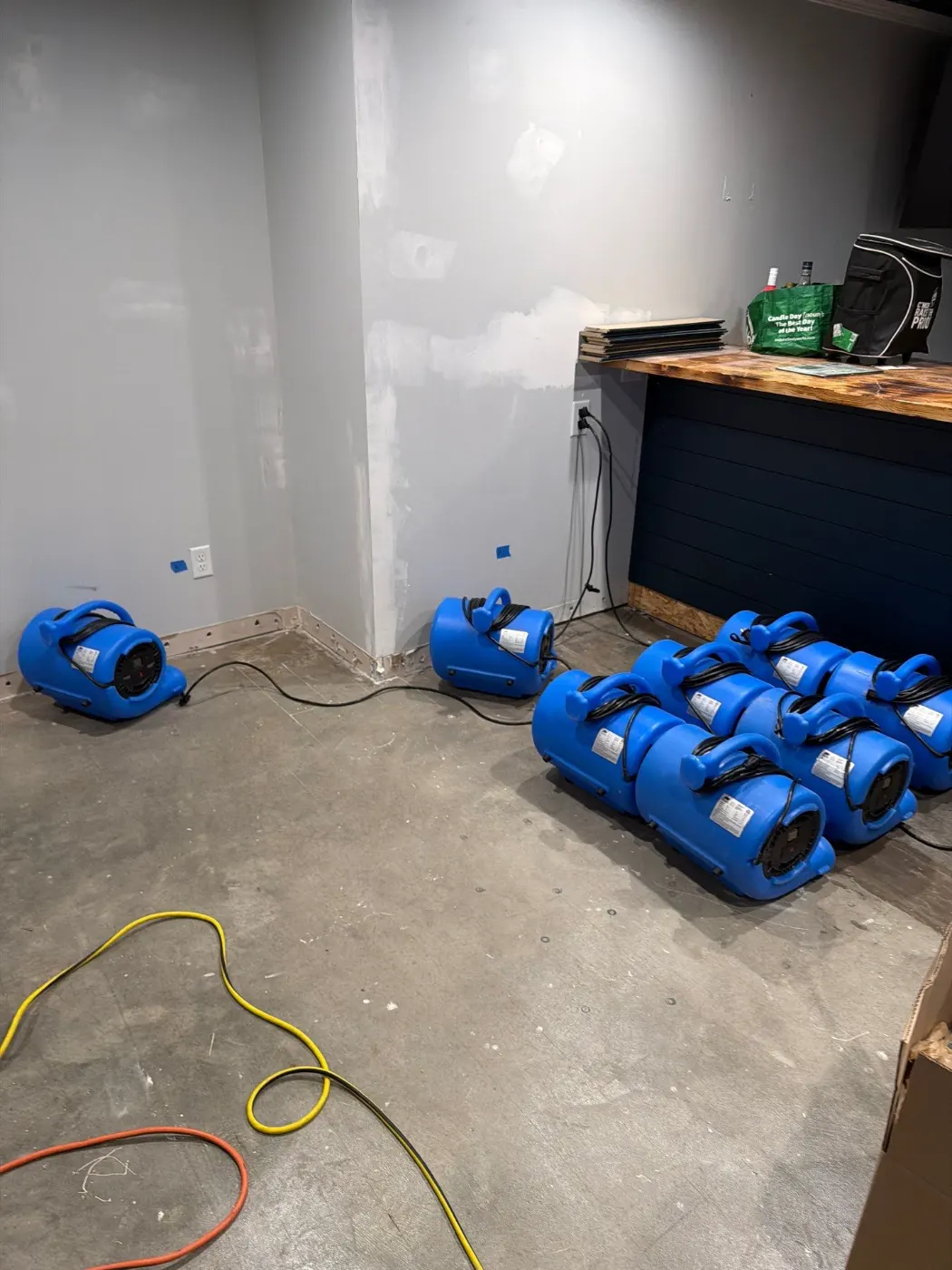
Photographs from real storm damage jobs completed by our crew in Clay City and surrounding areas.

Storm Damage FAQ
Questions Clay City homeowners ask us about storm damage restoration.
Guidance and Standards for Storm Damage
- The National Weather Service office in Indianapolis posts summaries of recent central Indiana storm and flood events. NWS Indianapolis Event Summaries
- The Indiana Department of Insurance advises against permanent repairs before your insurance company inspects the damage. Check your own policy for what it covers. Indiana Department of Insurance: Insurance Claim Tips
Clay City Neighborhoods We Serve
We take storm damage calls in every part of Clay City. Pick your neighborhood for local details.
Other Restoration Services in Clay City
Clay City Water Restoration handles the full scope of restoration work. Explore our other services below.
Water Damage Restoration in Clay City
24/7 emergency response. IICRC certified water restoration from extraction to full dry out.
Learn more →Basement Flooding in Clay City
Basement water emergencies handled fast. Extraction, drying, mold prevention.
Learn more →Sewage Cleanup in Clay City
Category 3 biohazard cleanup. Full containment, decontamination, structural restoration.
Learn more →Request Storm Damage Restoration
Reach Us Directly
Our team is available 24/7 for emergencies and ready to schedule inspections during business hours.
Need Immediate Help?
For active water or mold emergencies, call us directly. We are available 24/7.